




Your journey to natural equilibrium
Welcome to the Natural Equilibrium CIC blog, your trusted space for navigating perimenopause and menopause with grace and power. Here, we believe this significant life stage is an invitation for self-love, rediscovery, and prioritising your well-being. Dive into our evidence-informed resources, learn practical tips, and find inspiration to embrace a new, vibrant chapter.
Empowering your GP consultation: Taking Control of Your Menopause Health


Navigating perimenopause and menopause can feel overwhelming, especially when symptoms affect daily life and are difficult to explain in a short GP appointment. Many women leave feeling rushed or unsure of the next steps — but a little preparation can make your consultation far more productive.
GP appointments are brief, so going in with clarity helps you communicate your concerns, ask meaningful questions and work collaboratively with your doctor. Your symptoms are valid, and you deserve to feel confident advocating for your health.
1. Track Your Symptoms
Menopause symptoms can fluctuate, making them hard to describe on the spot. Keeping a simple diary for a few weeks can highlight patterns in areas such as sleep, mood, energy, hot flushes, brain fog or joint discomfort. Bringing this overview helps your GP understand how symptoms affect your daily life.
2. Prepare Key Questions
It’s easy to forget what you wanted to ask once the appointment begins. Writing down a few priorities keeps the conversation focused. You might want to ask whether your symptoms could be linked to perimenopause, what treatment or lifestyle options are available, or whether further assessment is needed.
3. Bring Relevant Health Information
Having key details ready — current medications, family history, recent tests or changes in your menstrual cycle — helps your GP build a clearer picture and offer more informed guidance.
Why Your Voice Matters
If you leave feeling unsure, it’s okay to ask for clarification, request a follow‑up or seek another opinion. Menopause care is evolving, and being informed helps you take an active role in your wellbeing.
At Natural Balance, we’re committed to helping women feel prepared, confident and supported as they navigate menopause — because informed conversations lead to better care and a stronger sense of control.rite your text here...
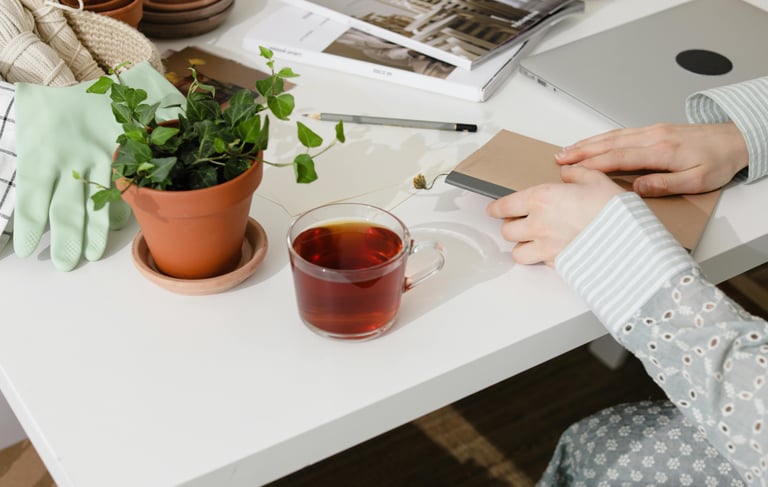

Simple tips for common menopause symptoms
Simple Lifestyle Tips for Managing Common Menopause Symptoms
Menopause is a natural stage of life but symptoms can sometimes affect daily wellbeing. Small, consistent lifestyle habits can help you feel more balanced and supported through this transition.
Hot Flushes & Night Sweats
Dress in light layers so you can cool down quickly.
Keep a small fan or cooling spray nearby.
Notice and reduce common triggers such as caffeine, alcohol, spicy foods and hot drinks.
Keep your bedroom cool and well‑ventilated.
Slow, steady breathing can help ease a flush as it begins.
Sleep Difficulties
Keep a regular sleep and wake time, even on weekends.
Reduce screen use at least an hour before bed.
Create a calming wind‑down routine such as herbal tea, reading or gentle stretching.
Keep your bedroom cool, dark and quiet.
Include magnesium‑rich foods like leafy greens, nuts and seeds.
Brain Fog & Low Concentration
Use reminders, lists and planners to stay organised.
Break tasks into smaller, manageable steps.
Drink water regularly throughout the day.
Choose brain‑supporting foods such as oily fish, berries and walnuts.
Keep your mind active with puzzles, reading or learning something new.
Mood Changes & Anxiety
Aim for daily movement such as walking, yoga or light exercise.
Try mindfulness, breathing exercises or short grounding pauses.
Spend time outdoors in natural daylight.Daily journaling can help remind us of the positives, 3 simple questions, what are you grateful for, what made you laugh and what did you learn.
Reduce excess sugar and alcohol where possible.
Stay connected with supportive friends, family or community groups.
Joint Aches & Stiffness
Gentle daily movement helps keep joints flexible.
Include anti‑inflammatory foods such as olive oil, oily fish and turmeric.
Try stretching, yoga or mobility exercises.
Warm baths or heat packs can help ease stiffness.
A Note to Remember
Every woman’s menopause experience is unique. If symptoms become severe or start to affect your quality of life, it’s important to seek guidance from a healthcare professional.
NECIC offers holistic perimenopause & menopause wellbeing support through nutrition, lifestyle guidance and mind‑body approaches.
Hormonal changes during perimenopause and menopause can influence everything from energy and mood to sleep, metabolism and how your body responds to movement. While this transition can feel unpredictable, it also offers an opportunity to reconnect with your body in a more intentional way.
Two foundations make a meaningful difference: how you nourish yourself and how you move. Choosing nutrient‑rich foods that support balance, alongside the vitamins and minerals your body may need, helps restore energy and resilience from within. Pairing this with simple, consistent movement strengthens muscles, supports bone health and improves flexibility and stability.
This stage isn’t about perfection or dramatic lifestyle changes — it’s about sustainable habits that help you feel grounded, strong and supported. Nourishing your body with intention and embracing movement as a source of vitality is an act of self‑care and self‑respect, one small step at a time.
Small Steps Create Lasting Change
You don’t need dramatic changes to feel better. Nourishing foods, regular movement, strength work and rest create a strong foundation for long‑term wellbeing. Midlife is an opportunity to reconnect with your body and support it in new, intentional ways.
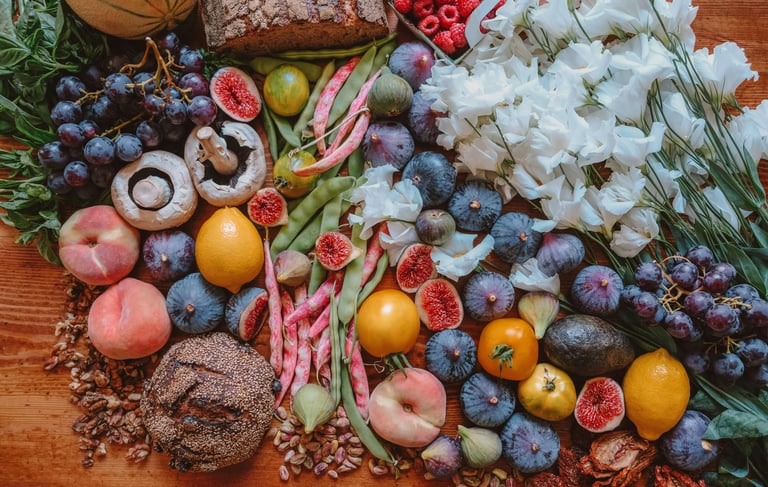
Nourish & Move: Essential support for your body
5 Simple Ways to Nourish and Move Your Body With Intention
Small, consistent habits can make a meaningful difference to how you feel during midlife. These five foundations support strength, energy and overall wellbeing without overwhelm.
1. Prioritise Protein
Protein helps maintain muscle, supports metabolism and keeps energy steadier. Include a source at each meal such as eggs, yoghurt, fish, beans, tofu, nuts or seeds. Build your plate around protein first, then add vegetables, healthy fats and whole carbohydrates.
2. Choose Whole, Nutrient‑Dense Foods
Whole foods provide the vitamins, minerals and fibre that support hormone health and steady energy. Focus on colourful vegetables and fruits, whole grains, healthy fats and omega‑3 rich foods like salmon, flaxseed and walnuts.
3. Strength Train Regularly
From our 40s onwards, muscle and bone naturally decline. Strength training is one of the most effective ways to protect both. Simple options include bodyweight exercises, resistance bands, light weights or strength‑focused yoga. Just two to three sessions a week can make a noticeable difference.
4. Move Throughout the Day
Everyday movement matters as much as structured exercise. Short walks, taking the stairs, stretching breaks or active hobbies help support cardiovascular health, mood and blood sugar balance.
5. Prioritise Rest and Recovery
Good nutrition and movement work best when paired with rest. Support recovery with a consistent bedtime routine, reduced late‑day caffeine and calming practices such as gentle stretching or breathing exercises.


Calling All Men
5 Simple Ways Men Can Support Their Partner Through Menopause
Menopause is a natural life stage, but the physical and emotional changes can feel overwhelming at times. Support from a partner can make this transition feel far less isolating. These five simple actions can strengthen understanding, connection and resilience as a couple.
1. Learn the Basics of Menopause
A little knowledge goes a long way. Menopause can involve changes in sleep, mood, energy, concentration and physical comfort. Understanding what’s happening helps you respond with empathy rather than confusion. Even reading a short article or having an open conversation together can build shared understanding.
2. Listen Without Trying to Fix Things
Many women simply want to feel heard. Instead of jumping into solutions, try listening fully, acknowledging how she feels and asking what support she would find helpful. Sometimes the most reassuring response is, “I’m here with you.”
3. Be Patient With Mood and Energy Shifts
Hormonal changes can affect motivation, irritability and emotional sensitivity. These fluctuations aren’t personal—they’re part of the transition. Patience and calm communication can prevent unnecessary tension and help your partner feel supported.
4. Support Healthy Daily Habits
Lifestyle changes can make symptoms easier to manage. You can help by joining her for walks, supporting balanced meals, encouraging rest or trying new wellbeing routines together. When healthy habits become a team effort, they’re easier to maintain.
5. Keep Communication Open
Menopause can influence intimacy, confidence and emotional connection. Regular check‑ins, “How are you feeling today?” or “What would help right now?” create space for honesty and reduce misunderstandings. Small conversations can strengthen your relationship through this transition.


Final Thoughts
Menopause doesn’t have to be a source of distance in a relationship. With understanding, patience and open communication, it can become a shared journey that brings you closer. Support isn’t about having all the answers it’s about showing up, listening and walking alongside your partner as she navigates a new phase of life.
Natural Equilibrium CIC is a company registered in England and Wales.
Company number:17040985
Get in touch with us